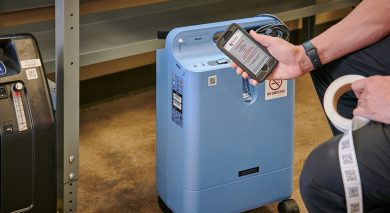
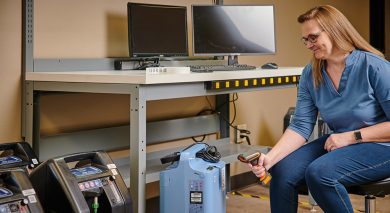
Over the past couple of years, the oxygen concentrator market has undergone a major shift. Two long-standing manufacturers—Philips Respironics and Invacare—have exited the market, leaving a significant supply gap. That gap didn’t stay open for long. A wave of new concentrators, largely manufactured in China and sold through private-label arrangements, has entered the market quickly.
Brands such as Rhythm Healthcare, React Health, Compass Health Brands, Dynarex, Medline, and Direct Supply now represent a growing share of the concentrators used by home care companies and post-acute providers. On paper, this appears to be healthy competition: more options, aggressive pricing, and shorter lead times. For providers managing tight margins, price is understandably a major factor in purchasing decisions.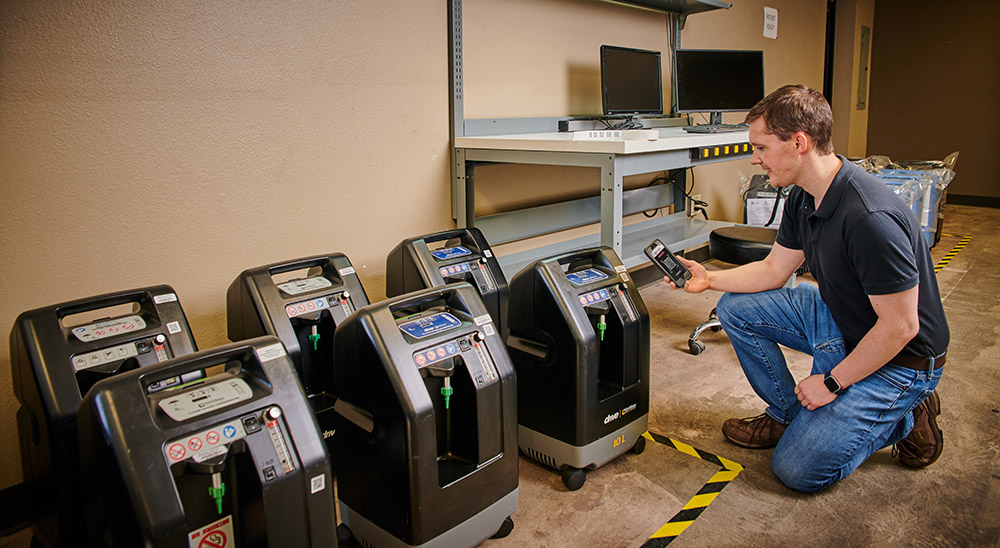
But as a service company that repairs oxygen concentrators every day, we see another side of this transition—one that deserves equal consideration.
Not all concentrators are created equal, and the real cost of a unit extends far beyond the purchase price. Build quality, component selection, and long-term reliability vary widely across manufacturers. While some newer private-label units perform well, others experience higher rates of failure, shorter service intervals, and more frequent downtime.
That downtime matters.
A concentrator on a repair bench—whether awaiting diagnosis, parts, or warranty authorization—isn’t generating rental income, and in many cases must be temporarily replaced with another unit from inventory. That creates hidden costs: increased fleet size requirements, higher logistics expenses, and more staff time spent managing swaps.
We often see purchasing decisions driven almost entirely by upfront price, only to find that a lower-cost unit requires more frequent service or has longer repair cycles. Over time, those service interruptions can easily outweigh the initial savings.
Another factor to consider is parts availability and service support. Established manufacturers historically maintained robust parts pipelines and service documentation. With newer entrants—especially those operating through private-label arrangements—parts availability can be inconsistent, and model revisions may occur quickly, complicating long-term serviceability. From a maintenance perspective, consistency matters.
None of this is to suggest that newer brands should be avoided outright. Many providers have integrated these concentrators successfully into their fleets. The key is balance. Price is important, but so is reliability, ease of service, and real-world performance over thousands of operating hours.
As the market continues to evolve, we encourage providers to look beyond the sticker price and ask practical questions: How often does this unit require service? How long is it typically down? Are parts readily available? What does the failure history look like at 12, 24, or 36 months?
In today’s environment, quality isn’t just about patient care—it’s about protecting rental revenue and keeping assets working where they belong: in the field, not in the repair shop.